
Weight loss meals don’t have to mean bland salads or skipping out on your favorite foods. I used to think cutting calories would leave me tired and frustrated, but after experimenting with different recipes and methods, I found a bunch of tasty options that keep you full without loading up on unnecessary calories. Here’s my guide to putting together satisfying, flavorful meals for weight loss, along with some favorite recipes I love making again and again.
Basics of Weight Loss Meal Planning
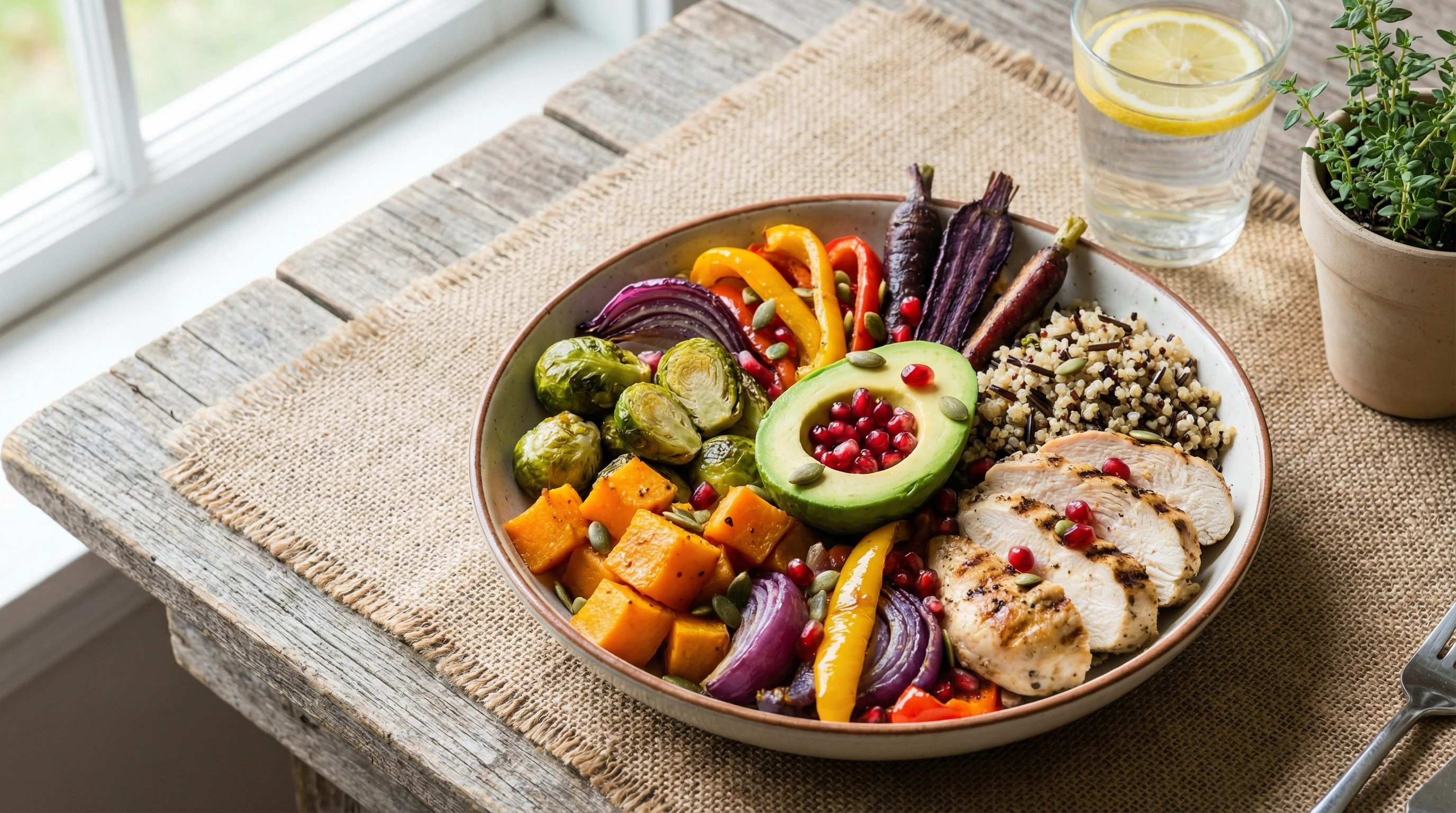
Figuring out how to build meals that actually help you lose weight can feel confusing, especially with all the mixed info out there. For me, sticking to whole foods with a balance of lean protein, fiberrich carbs, and healthy fats made weight loss a lot more manageable. I learned that meal prep and portion awareness made the whole process less stressful and more sustainable.
Key components of effective weight loss meals include:
- Lean Proteins: Foods like chicken breast, turkey, tofu, and fish keep you fuller for longer and support muscle maintenance.
- Fiberrich Veggies: Think leafy greens, broccoli, cauliflower, and carrots. These bulk up meals and slow down digestion.
- Whole Grains: Whole wheat, brown rice, quinoa, and oats give you energy and help prevent cravings without causing blood sugar spikes.
- Healthy Fats: A little bit of avocado, nuts, seeds, or olive oil adds flavor and satisfaction.
Combining these elements helps make weight loss meals that taste good and keep you feeling better between meals. Including lots of colors on the plate improves variety and nutrition for each meal. Instead of meal replacements or crash diets, these real food choices step up both satisfaction and overall results.
Getting Started: Easy Ways to Make Weight Loss Meals Work
Jumping into weight loss meal planning can be a bit overwhelming, especially if you don’t have much experience in the kitchen. Here’s how I eased into it and saw results without feeling deprived:
- Prep Ingredients Ahead: Washing and cutting veggies or cooking up a batch of quinoa makes assembly a breeze later on.
- Keep Seasonings Simple: Using herbs, citrus, and spices adds plenty of flavor without piling on calories.
- Focus on Volume: Huge leafy salads or veggie stirfries let you eat plenty without going overboard on calories.
- Don’t Skip Snacks: Smart snacks like Greek yogurt with berries or a few almonds help prevent random cravings.
- Hydrate Well: Sometimes I’d mistake thirst for hunger, so I keep water handy at all times.
Adding a few minutes each week to plan what you want to eat, and picking recipes that genuinely sound good, makes a big difference in sticking to your goals. Easing in slowly gives you time to adjust, and celebrating progress keeps motivation high.
Weight Loss Meal Recipes You’ll Actually Want to Eat
Testing and tinkering with recipes is where things get fun. Here are a few of my go-to meals when I want to eat light but still look forward to dinner:
- Spicy Chicken and Veggie Stirfry:
Slice up one chicken breast (or tofu if you’re plantbased), toss it with broccoli, bell pepper, snap peas, and carrots. Cook in a nonstick pan with a splash of lowsodium soy sauce, garlic, and a pinch of chili flakes. Serve over a scoop of brown rice or cauliflowerrice for fewer carbs. - Zucchini Noodle “Pasta” with Turkey Marinara:
Swap regular pasta for spiralized zucchini. Simmer lean ground turkey with diced tomatoes, onion, Italian seasoning, and garlic. Pour over the noodles and sprinkle with chopped parsley. - Mason Jar Greek Salad:
Layer diced cucumber, cherry tomatoes, red onion, olives, lean grilled chicken, and a spoonful of feta. Dress with olive oil, lemon juice, and oregano. I shake it up just before eating for a crunchy, satisfying lunch. - Sheet Pan Salmon with Asparagus:
Lay fresh salmon fillets on a baking sheet, surround with asparagus and sliced red potatoes, drizzle with olive oil, lemon, dill, and black pepper. Bake until everything is just cooked through. The cleanup is so easy with a onepan meal. - Egg Muffin Breakfast Cups:
Whisk eggs with spinach, diced bell pepper, a little cheese, and a bit of turkey bacon (optional). Pour the mixture into muffin tins and bake. These store well in the fridge and reheat in seconds for busy mornings.
If you like tinkering with flavors, try adding a spoonful of salsa, a dollop of lowfat Greek yogurt, or tossing new herbs into these basics. Flavor boosts can keep your meals exciting without adding many calories. For dessert, a bowl of fresh berries or sliced kiwi with a sprinkle of chia seeds hits the spot and doesn’t set you back.
Troubleshooting Common Weight Loss Meal Issues
No approach works perfectly right away. I hit plenty of speed bumps along the way, but these fixes helped me stay on track:
- Bored with Meals: Rotating different veggies, trying new spices, or mixing up proteins brings back excitement without adding calories.
- Struggling to Stay Full: Sometimes, adding extra veggies or a little more healthy fat (like half an avocado) made my meals much more filling.
- Feeling Tired: If energy dipped, I’d check that I was eating enough whole grains and protein. Eating too few calories can actually slow progress.
- Eating Out: Grilled meats, side salads, and asking for dressings on the side helped when dining out. I usually aim for menu items that don’t come in heavy sauces.
- Snacking at Night: Reaching for a cup of herbal tea or a small snack like cottage cheese with fruit helped avoid mindless eating.
Meal Prep Motivation: Keeping It Up Week After Week
Planning and prepping meals ahead tends to be the anchor for staying consistent. I block out a short window on weekends to plan, shop, and prep a handful of basics. Throwing together lunches and dinners during the week stops feeling like work, and I’m never left wondering what to eat. If you’re new to meal prep, starting with two or three recipes and repeating them for a couple of days keeps things manageable. Swapping out one or two ingredients adds variety without adding extra effort.
Putting together a meal prep playlist or inviting a family member to help can also brighten up the process. Having meals ready means you’re less likely to reach for junk when you’re tired. Portioning meals out in individual glass containers gives you grabandgo convenience and keeps you on track even during busy weeks. The first week might feel tricky, but it gets easier every time you do it.
Recipe Shortcuts I Swear By
Timesaving tricks keep healthy cooking from eating up your whole day. I stick to these habits pretty often:
- Buy precut veggies or prewashed greens; huge time saver.
- Double recipes and freeze single servings for lastminute meals.
- Keep a stash of microwaveready brown rice or quinoa on hand.
- Pick up a rotisserie chicken if I’m tight on time and shred it for salads or wraps.
Slow cookers and pressure cookers can also be game changers, and sheet pan meals help streamline both prep and cleanup. Investing in a few meal prep containers might give a boost to your routine and help you stay organized.
RealWorld Success: How Weight Loss Recipes Fit Different Lifestyles
For me, prepping flexible recipes helped keep things realistic. Friends with families or busy work schedules sometimes cook bigger batches and use leftovers for another meal. Others focus on quickcook recipes that save time. Busy folks might swap breakfast for dinner or make lunch their main meal if they work late hours.
- PlantBased or Vegetarian: Sub in beans, tofu, or seitan for animal proteins. I find curries and veggie stews fill you up without needing a ton of extras.
- LowCarb or Keto: Focus more on lean meats, cheese, and extranonstarchy veggies; simple swaps like cauliflowerrice instead of white rice do the trick.
- FamilyFriendly Tips: Let everyone customize their own bowls or wraps using the same base ingredients, and offer simple toppings on the side for picky eaters.
Meal planning can flex with any life setup. Whether you’re cooking for one or a whole crew, these recipes switch up easily and keep things practical. Remember, what works best is what fits your day-to-day routine and helps you reach your goals without stress.
Frequently Asked Questions
Here are some things people commonly ask when looking to get into weight loss recipes or meal planning for slimming down:
How many calories should I eat per meal?
Answer: That depends on your needs, but keeping most meals in the 350-500 calorie range has worked well for many people aiming to lose weight. Adjust as needed based on hunger, activity, and progress.
Do I need to avoid carbs to lose weight?
Answer: Not really. Going for whole grain or unprocessed carbs instead of white bread or sugary snacks can help you feel full and keep your energy and mood steady.
Is it okay to eat after 7 pm?
Answer: Meal timing matters less than what and how much you eat overall. I eat a light snack if I’m hungry late at night, and it doesn’t seem to impact progress as long as I don’t overdo it the rest of the day.
How do I stick to a healthy meal plan on a busy week?
Answer: Prepping basic components ahead of time and repeating meals makes it easier to stay on track. Using simple recipes with only a few steps helps you stick to it, even when things get hectic.
Final Thoughts on Building a Weight Loss Recipe Routine
The most effective weight loss meals are the ones that fit your real life. For me, keeping dishes simple, prepping ahead, and having a handful of reliable recipes has been the best way to eat light and stay happy with my food. Tinkering with flavors, repeating favorite meals, and finding short kitchen shortcuts all help keep things moving (and delicious) day after day. Small tweaks and a bit of planning go a really long way.
If you’re looking to make lasting changes, go for meals you actually enjoy, adjust as you go, and celebrate even the small wins along the way. Good food should fuel you and make you feel great, so experiment until you find the meals that work for you!